
The rules we pick by
A third of a plant, never the same stretch twice, only in season. How we take from a coast we want to keep.
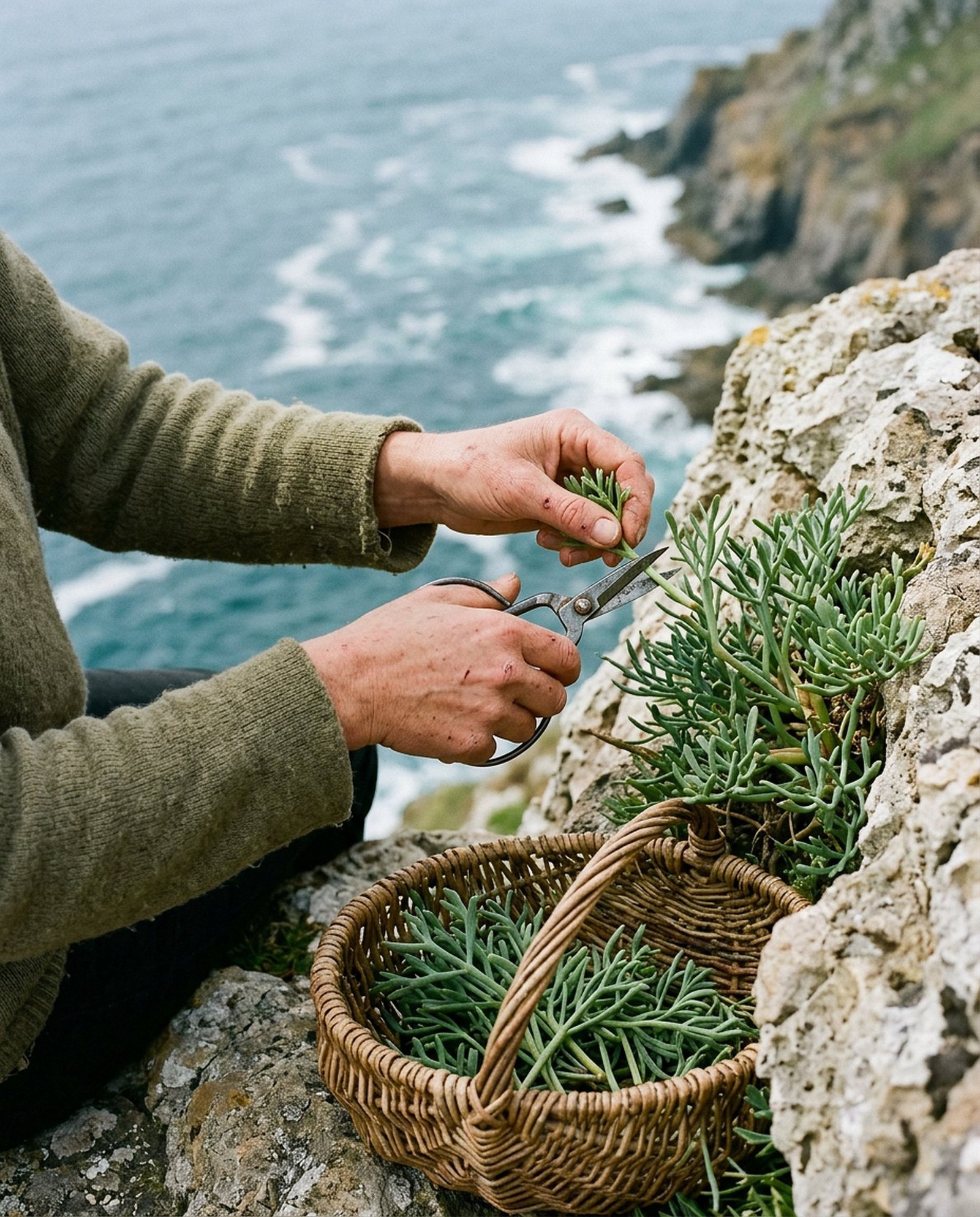
Every spring our forager, Rui, walks the cliffs between Cabo Raso and Guincho with a notebook before he cuts a single sprig. He is looking for plants that came through the winter strong, and for the stretches he picked last year, which he leaves alone.
A third, and no more
The rule is simple: take no more than a third of any plant, cut cleanly above a node so it regrows, and move on. Wild sea fennel is picked only from May to July, under a licence from the municipality, and never where the path is eroding.
Growers first
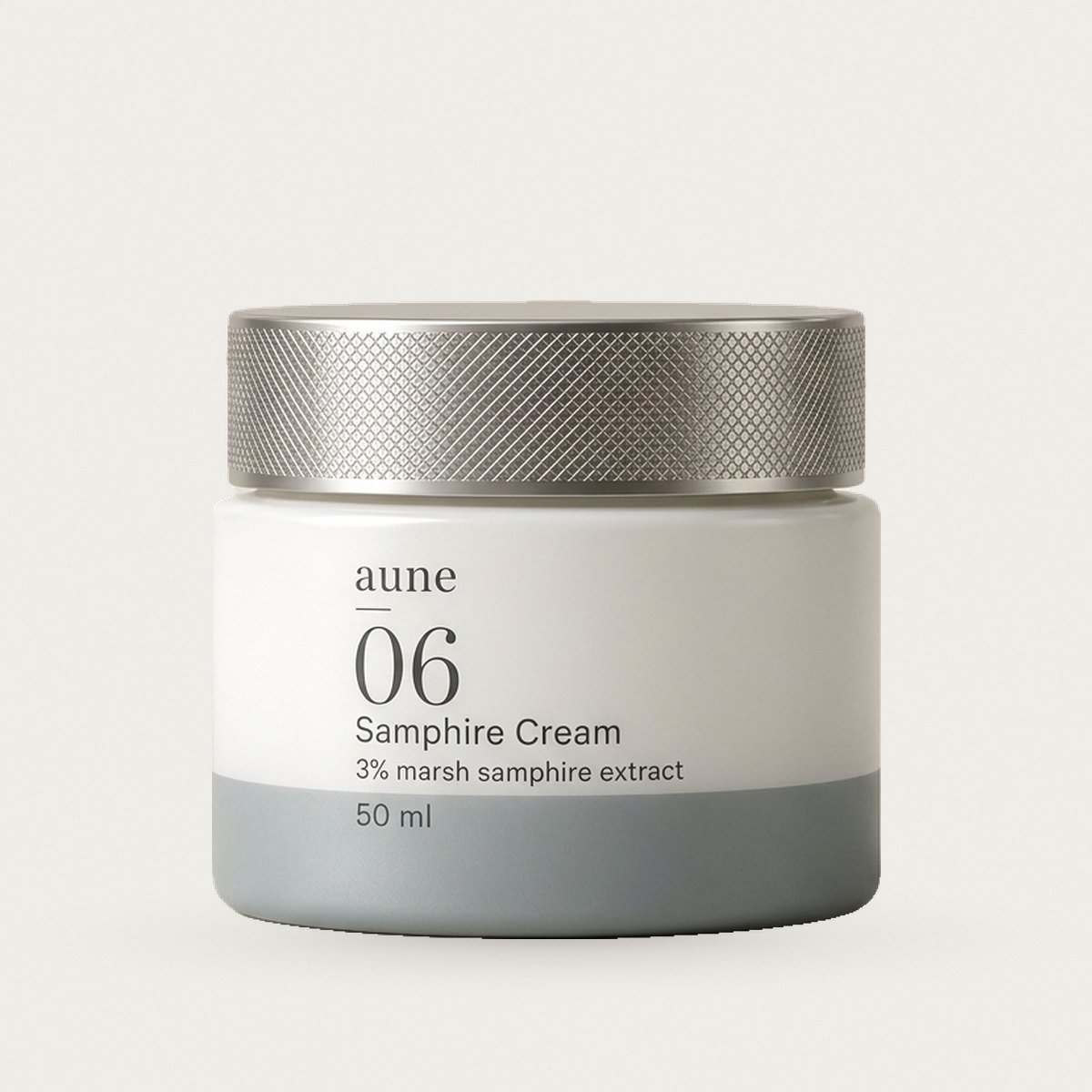
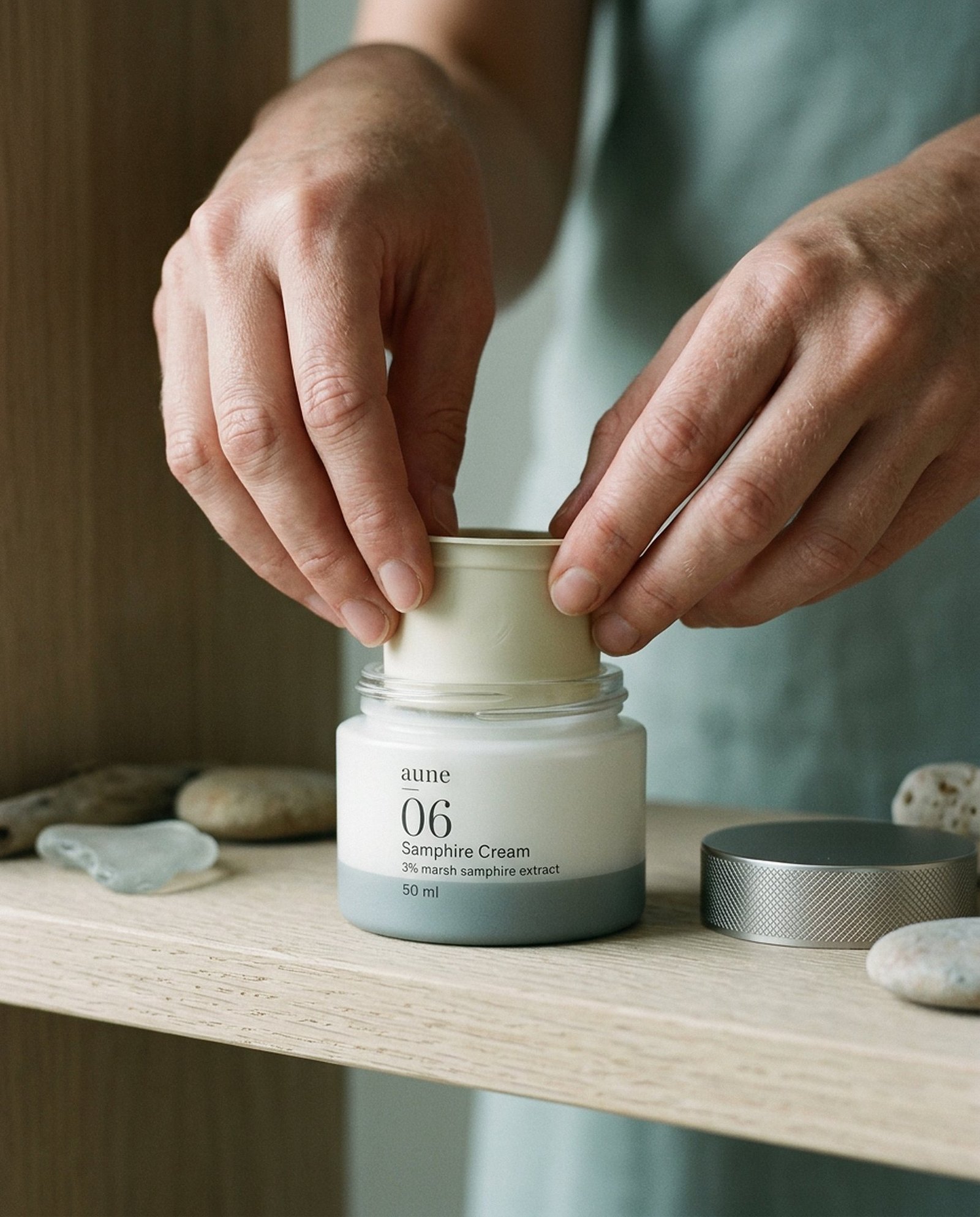
Most of what goes into our formulas is now grown. Four growers within sixty kilometres of the lab supply sea fennel and marsh samphire, which means the wild cliffs mostly stay for walkers and the birds that nest there.
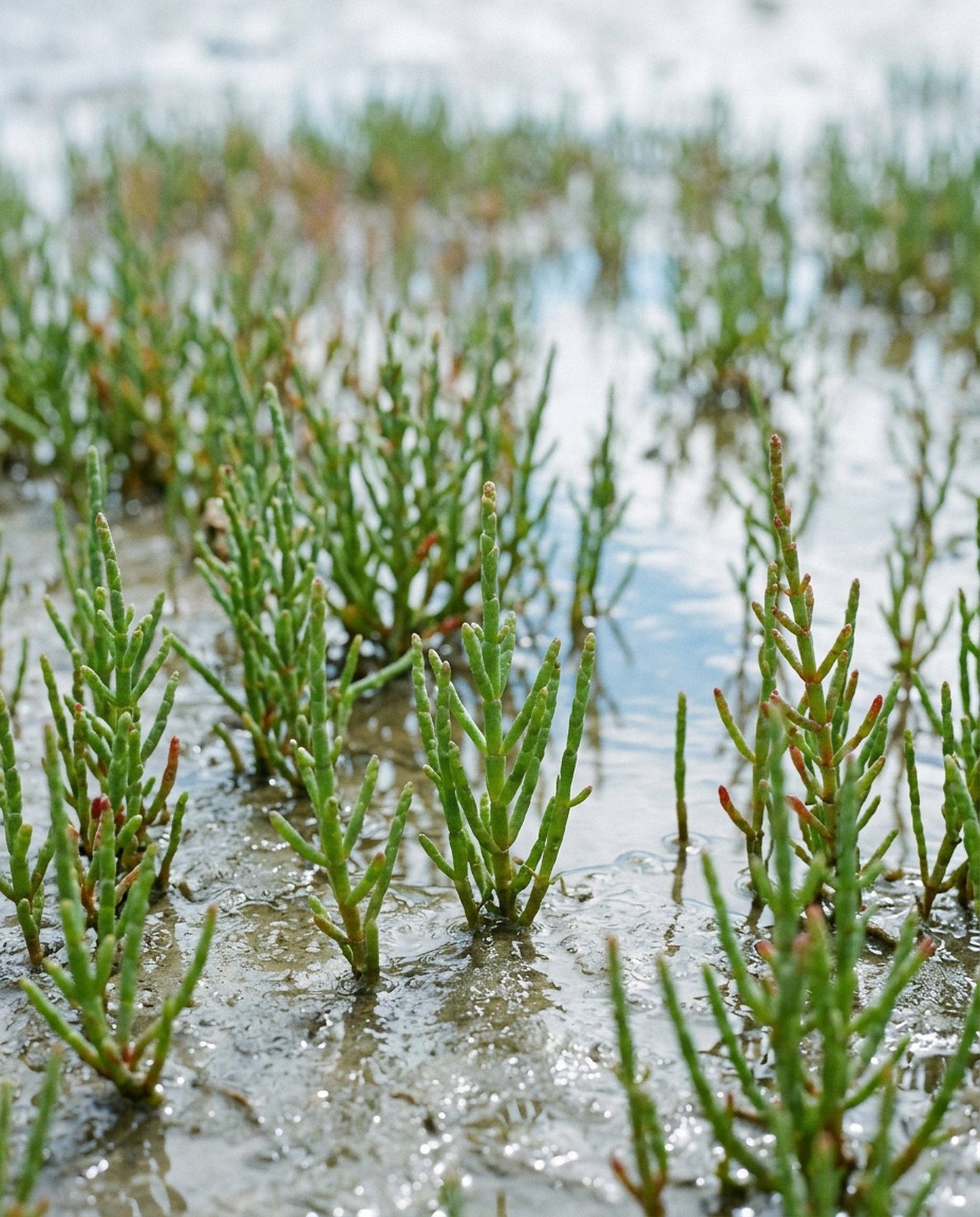
We take a third of a plant, and we leave the rest to the cliff.
Kelp comes from managed beds off the north coast, and bladderwrack only from what storms have already torn loose. Nothing is cut from living rock.
It costs more and takes longer. It also means we will still be able to make Nº 04 in twenty years.